Is It Safe to Share Your IMEI Number When Selling a Phone on a Marketplace?

Jun 27, 20268 min read

Sharing your IMEI number with a verified buyer is generally safe and entirely necessary to prove your phone is legitimate, not stolen, and fully paid off. Posting it publicly in an unwatermarked photo on an open marketplace carries a small risk of device cloning or malicious reporting, though these threats are statistically rare.

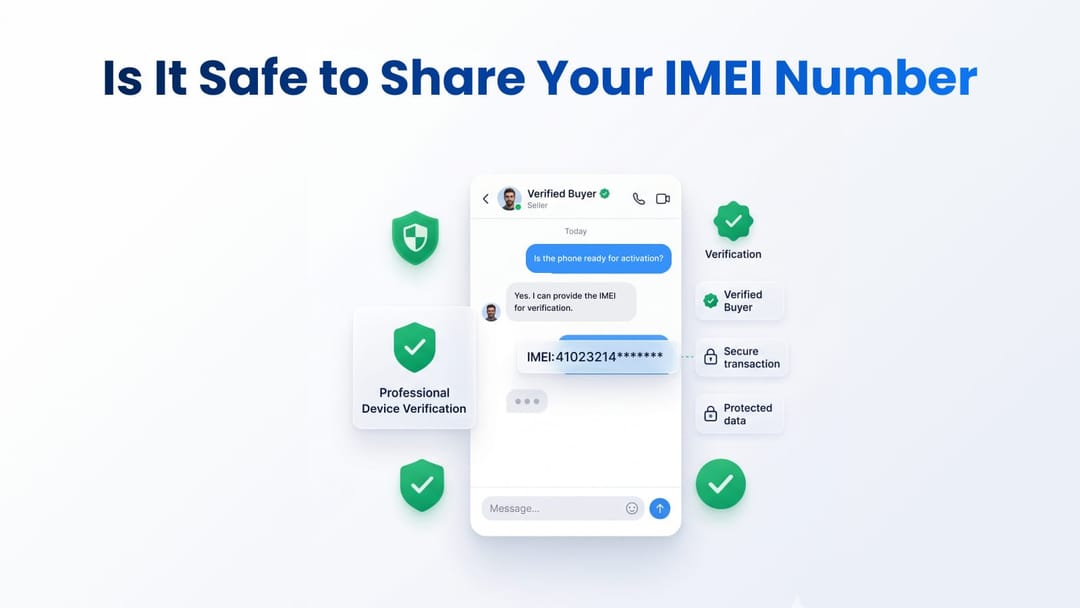
Seller safely sharing a smartphone IMEI code with a verified buyer online

Selling a used smartphone involves a delicate standoff between two parties protecting their own interests. You want to get paid without being scammed, and the buyer wants to ensure they are not handing over hard-earned cash for a device that will stop working the moment they insert a SIM card. The International Mobile Equipment Identity serves as the ultimate arbiter of truth in this transaction. It is a unique 15-digit identifier hardcoded into the device, acting much like a vehicle identification number for your phone. Without it, the secondary market would collapse under the weight of fraud.

Buyers have every right to request this information to run their own due diligence. They need to know the exact history of the hardware they are acquiring. At the same time, the internet is flooded with warnings about stolen identities and bricked phones, making sellers hesitant to type those fifteen digits into a chat window. Navigating this process safely requires understanding the actual technical limitations of what someone can do with your device identifier, rather than relying on forum rumors. You can facilitate a transparent sale by verifying the device yourself using the active IMEI check form located directly on this page, creating a secure baseline for the transaction.

This free IMEI check is ad-supported

No login required | No unlocking | No device modification

What Actually Happens When Someone Knows Your IMEI?

A person with your IMEI can check the GSMA database to verify the phone's make, model, warranty status, network lock, and blacklist status. They cannot access your personal photos, text messages, banking information, or physical location just by knowing this 15-digit code.

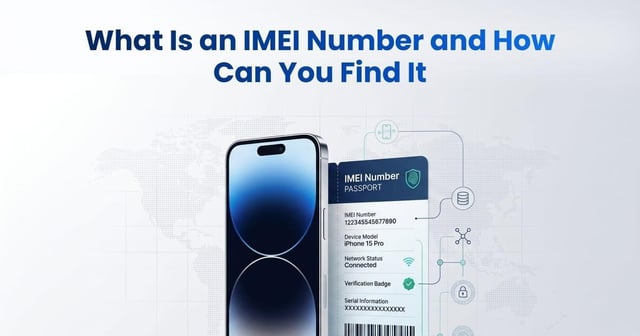
The fear surrounding the exposure of an identifier largely stems from a misunderstanding of how cellular networks store and transmit data. The code itself is simply a serial number assigned by the manufacturer and registered with global network operators. When someone runs this number through a verification tool, they query public and semi-public databases that return specific hardware and network-level data points. They will see the exact model, the storage capacity, the original color, and whether the device is still under the manufacturer's warranty.

More importantly, the query reveals the device's standing with cellular carriers. It shows if the phone is locked to a specific network or if it is heavily financed with an outstanding balance. The databases will clearly indicate if the device has been reported lost or stolen by a previous owner. None of these databases hold your personal account details. Your name, address, and digital life remain entirely disconnected from the hardware identifier once the device is factory reset. The identifier strictly tracks the physical hardware, not the human holding it.
The Mechanics of Device Cloning and Blacklisting

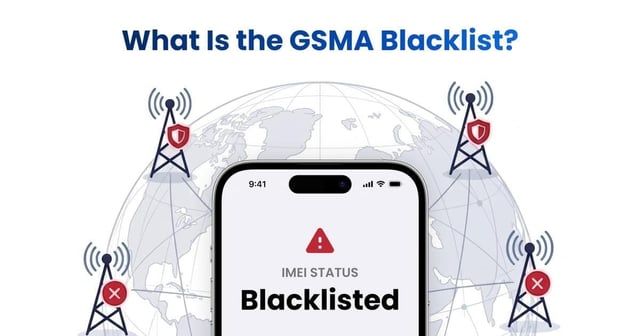
Malicious actors can theoretically attempt an illegal process known as cloning to fraudulently disguise a compromised device's true identity. Spiteful individuals could also report an exposed IMEI as stolen to their carrier, causing the original device to be blacklisted.

Understanding the actual threat landscape requires looking beneath the surface of how mobile networks communicate. While the fears of sharing an identifier are often exaggerated, the underlying mechanics of network fraud do exist and operate on highly specific vulnerabilities. The cellular industry continuously updates its security protocols to combat these exact issues.

The Reality of Identifier Fraud

The global GSMA Device Registry acts as the central nervous system for carrier security, updating blacklist statuses across international borders within 48 hours.

Attempting to fraudulently alter or duplicate an identifier on a modern smartphone requires interfering with the baseband processor's secure boot mechanisms—a highly complex hardware-level manipulation that is nearly impossible on recent flagship devices without specialized laboratory equipment.

Malicious blacklisting—where a stranger reports your exposed number as stolen—typically fails because carriers now require strict account authentication and matching purchase records before they will alter a device's network status.

Financial blacklists operate independently from lost and stolen databases; a phone might have a clean criminal history but still be banned from network activation because the original owner stopped paying their monthly carrier financing bill.

Why Buyers Demand the IMEI Before Paying

Savvy private buyers and commercial refurbishers require the IMEI to confirm the device matches the listing description and is not financially encumbered. Without this verification, they risk purchasing a bricked device or financing fraud.

A used phone is a significant investment. Private buyers ask for the identifier because they want absolute certainty they are buying a functional device. If a seller owes a carrier money for the phone, the carrier will block the device from network access the moment the seller stops paying their bill. The new buyer would be left with a miniature tablet incapable of making phone calls. Verifying the hardware identifier is the only way a buyer can prove the device is fully paid off and eligible for a new SIM card.

The necessity of this data scales dramatically for commercial operations. Resellers and hardware restoration companies process massive volumes of used electronics daily. They rely entirely on these 15 digits for sorting batches and filtering inventory based on exact hardware conditions. Before committing to a trade-in program or initiating a costly repair process, they must absolutely confirm the authenticity of the device. Furthermore, these companies meticulously check the device history prior to international resale. A smartphone that cleared US databases might still carry restrictions in European markets, and verifying the global network status prevents costly shipping mistakes and international returns.

Should You Post the IMEI in Public Marketplace Listings?

You should never publish the full IMEI number as plain text or an unedited screenshot in a public listing on platforms like eBay or Craigslist. Provide the number only through private messages to buyers who demonstrate genuine intent and have a solid account history.

Marketplaces are heavily monitored by automated software designed to scrape valuable data. When you paste the raw digits into your item description, you expose that data to thousands of anonymous users who have no intention of buying your phone. The same applies to photographs. Sellers frequently upload screenshots of the phone's settings menu to prove the battery health or storage capacity, inadvertently leaving the network identifiers visible in high resolution.

Expert Tip from the IMEI Best development team: "Scrapers constantly crawl marketplace images looking for exposed barcodes and IMEI screenshots. If you must upload a photo of the 'About' screen to prove the model, physically cover the last seven digits of the IMEI with a piece of paper rather than using digital markup, as some editing tools can be easily reversed."

Treat the identifier like a key to your car. You would not leave the key on the hood of the car while it sits in a public parking lot with a "For Sale" sign on it. You would keep the key in your pocket and only hand it to a prospective buyer who has shown up, asked the right questions, and is ready to take it for a test drive.

How Can You Share Device Data Safely with Resellers?

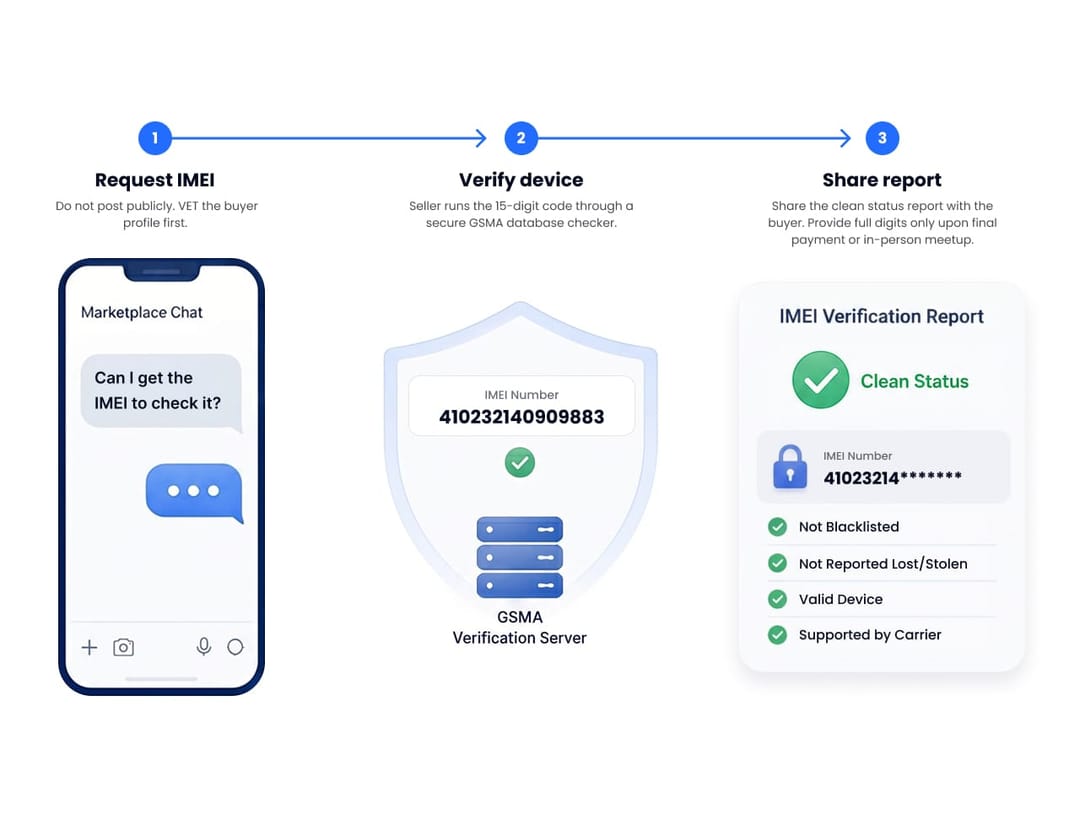
Safely transmit your IMEI by using trusted third-party verification services or directly sharing a generated validation report with the buyer. You can run the number through our secure checking tool right here on this page and share the verified link or summary instead of raw digits.

The safest approach to facilitating a sale removes the raw number from the conversation almost entirely. Professional buyers understand the hesitation sellers feel and often accept alternative proof of a clean device history. The most effective method is to assume the role of the verifier yourself. By utilizing the checker available on this page, you can generate an independent report detailing the exact network status, financing history, and lock status.

Providing a potential buyer with a digital certificate or a screenshot of a clean verification report—with the last few digits of the identifier obscured—builds immense trust. The buyer gets the exact data they need to make an informed purchasing decision, and you retain control over the raw identification numbers until the final stages of the transaction.


Risk Assessment: How to Share Your Device Data

  • Posting in public listing text: While this provides high buyer confidence, it carries a very high risk of your data being scraped by bots or misused. Recommendation: Never do this.
  • Uploading unedited screenshots: Similar to plain text, this offers high buyer confidence but comes with a high risk of automated theft since editing tools can often be reversed. Recommendation: Never do this.
  • Sending via private message: This method maintains high buyer confidence while keeping your risk level low, as you control who sees the data. Recommendation: Do this only for vetted buyers.
  • Sharing a verified check report: This is the absolute gold standard. It delivers maximum buyer confidence with zero risk, as your raw identifier remains completely hidden. Recommendation: Do this using our built-in verification tool.
  • Safe Strategies for Private Sales and Trade-Ins
Flowchart showing the secure workflow for verifying and sharing an IMEI

Establish trust by communicating clearly, meeting in safe locations, and offering to perform an IMEI check together in person. If selling online, verify the buyer's profile age, feedback score, and communication style before handing over the identifying numbers.

Executing a flawless private sale requires strict adherence to operational security. Begin by evaluating the buyer. A profile created three days ago with zero feedback demanding your serial numbers immediately is a red flag. A five-year-old account with a history of positive transactions asking for the number to verify carrier compatibility is standard operating procedure. Engage in a brief dialogue to gauge their legitimacy.

When arranging local meetups, conduct the transaction at a carrier store or a designated safe trade zone at a local police station. Meeting at a carrier store allows the buyer to verify the device directly with a network representative, entirely removing the burden of trust from both parties. For remote sales, hold the identifier back until you have agreed on a price and the buyer has formally committed to the purchase pending the database check. Once they commit, send the digits through the platform's encrypted messaging system.

What if a Scammer Uses Your IMEI for Fraud?

If your active phone is suddenly blacklisted because someone stole your IMEI, you must contact your cellular carrier immediately with proof of purchase to contest the block. Resolving an illegal cloned IMEI conflict requires working with carrier fraud departments to verify your ownership and remove the device from the national blacklist.

Discovering your device has been blocked from the network due to malicious activity is highly stressful but completely reversible. Carriers understand that database errors and cloning attempts happen. The resolution process hinges entirely on proving you are the original, rightful owner of the hardware. The most critical piece of evidence is the original retail receipt showing the device identifier printed next to the transaction details.

Initiate the recovery process by calling your carrier's customer service line and immediately requesting an escalation to the fraud department. Front-line representatives rarely have the system permissions required to override a GSMA blacklist entry. Provide the fraud department with your purchase documentation and a timeline of events. They will investigate the conflicting network signals. In cases of cloning, the carrier can track the physical location and connection patterns of both devices, easily identifying the fraudulent hardware and restoring service to your legitimate phone. Keep a digital backup of your original receipt in a cloud storage folder the day you buy any new electronic device to ensure you are prepared for this exact scenario.


Suggestion for you