Frankenstein iPhones: How Checking Color and Storage by IMEI Saves You from Fakes

Aug 06, 20264 min read

A Frankenstein iPhone is a secretly reassembled device built from mismatched, unauthorized parts to mimic a higher-value model. Verifying the original Apple specifications via an IMEI lookup exposes these discrepancies and protects you from buying tampered hardware.

The secondary smartphone market is flooded with devices that look legitimate on the outside but hide serious unauthorized modifications inside. Unscrupulous sellers routinely take damaged base models and reconstruct them using cheap aftermarket components. They swap external housings to mimic premium colors and perform risky motherboard micro-soldering to inflate storage capacity artificially. Relying on physical appearance or the iOS software settings is no longer enough to guarantee authenticity. You have to match the physical device against its digital factory records.

What defines a Frankenstein device

A Frankenstein device is pieced together from salvaged, counterfeit, or heavily modified components rather than original factory parts. Scammers build these units to pass off a cheap, damaged, or stolen base model as a pristine, high-end variant.

The process starts with a severely damaged logic board or a locked device purchased for parts. Technicians strip the functional components and transplant them into a fresh, counterfeit aluminum or titanium housing. Often, they go a step further by removing the original memory chip and soldering a larger one in its place. The resulting phone boots iOS and looks real to the untrained eye. However, it lacks factory water resistance, uses lower-grade metals, and features compromised logic board integrity. You end up paying a premium for a device highly susceptible to sudden hardware failure.

How to spot fake iPhones by IMEI

You can uncover a modified device by comparing the physical hardware against the digital factory records linked to its 15-digit identification number. Any mismatch means the device has been tampered with.

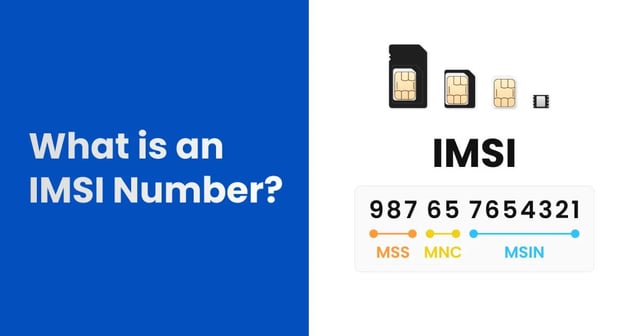
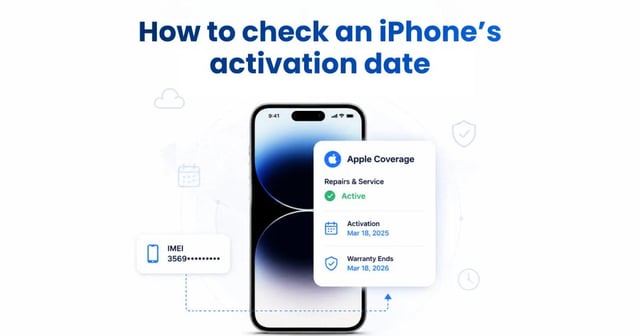
The IMEI acts as a non-forgeable fingerprint for the smartphone. When you run an Apple original specs check using this number, the database returns the exact configuration the phone had when it left the assembly line. To check it, simply type *#06# into the dialer or look at the SIM tray, then input that code into a reliable checking database. Once you get the report, rigorously compare the listed factory color and storage capacity to the device in front of you. A seller handing you a Midnight Green device when the database says it should be Space Gray is trying to sell you a rebuilt phone in a fake shell.

Why sellers alter color and storage capacity

Fraudsters manipulate external colors and internal memory sizes because these two features dictate the resale value on the secondary market. Upgrading a base model yields massive profit margins for the seller.
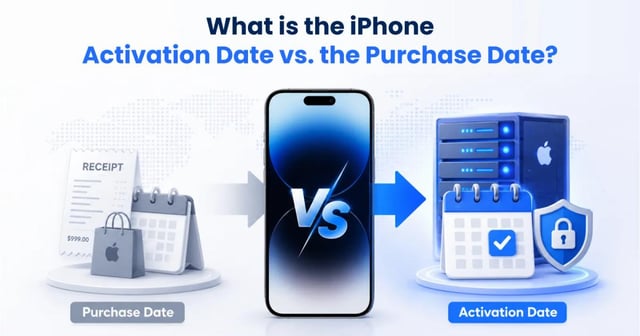
Consumer demand skews toward flagship colors and massive storage options. A 64GB device in a standard color commands a significantly lower price than a 512GB model in a special edition finish. By investing a small amount of money into a counterfeit back glass and an aftermarket memory chip, a scammer can mark up the final selling price by hundreds of dollars. They prey on buyers who check the software settings but fail to perform an iPhone storage check IMEI query. This deception shifts the risk of hardware failure onto the buyer while maximizing the seller's payout.

Expert Advice: "At IMEI Best, we see this scam constantly. Never trust the software 'About' screen on a used iOS device. Using specialized programmers and cloned NAND serials, scammers can install physical 1TB chips on low-tier boards or use software tweaks to spoof system settings and display false storage capacity."

Deep Tech Dive: Under the Hood of Reassembled Devices

Unauthorized structural and memory modifications leave microscopic but devastating damage on the internal architecture. These invasive procedures bypass Apple's security protocols and drastically reduce the lifespan of the motherboard.

Creating a Frankenstein phone involves brutal thermal and physical stress. Desoldering a NAND flash memory chip requires applying direct heat of roughly 400°C to the logic board. This intense thermal shock frequently damages adjacent microscopic resistors and weakens the solder balls under the main CPU.

Furthermore, attaching a new memory chip does not work out of the box. Technicians use specialized EEPROM programmers to read the serial number and cryptographic keys from the original chip and write them onto the counterfeit storage drive. This cloning process allows the operating system to pair with the new storage, but manual rework bypasses Apple's factory validation and exposes the hardware to failure during future iOS updates.

When scammers replace the original housing to change the phone's color, they discard the factory thermal dissipation pads and water-resistant adhesive seals. Replacement shells are usually cast from inferior alloys that bend under minor pressure. This leads to cracked screens and snapped logic boards during normal daily use.

Apple original specs check versus visual inspection

Visual inspection only evaluates the cosmetic surface, whereas a database check provides verifiable server-side proof of the hardware's origin. Relying on visual checks leaves you completely blind to deep-level motherboard modifications.

Verification Method

Detection Capability

Reliability Level

Bypassed By Scammers

Physical Visual Inspection

Detects scratches, dents, and screen quality.

Low

Counterfeit housings, high-quality replica parts.

Software 'About' Screen

Shows current OS-reported storage and model.

Medium

NAND cloning, jailbreak spoofing tweaks.

IMEI Database Query

Confirms factory color, storage, and build date.

Maximum

Bypassed only if scammers physical swap logic boards with matching serials.

Can unauthorized NAND flash swaps break the logic board?

Yes. Aftermarket storage upgrades severely compromise the structural integrity of the logic board and almost guarantee sudden data loss or permanent device bricking during future software updates. Apple's operating system checks hardware signatures constantly.

While a reprogrammed memory chip might work initially, it operates on borrowed time. The high temperatures used during the unapproved replacement process degrade the logic board's printed circuits, leading to micro-fractures as the phone naturally heats up and cools down during charging. Eventually, the connection between the CPU and the cloned storage severs entirely.

The software side poses an equally fatal risk. Apple frequently patches hardware exploits. An iOS update can easily detect anomalies in the NAND chip's controller firmware or power draw. When the system identifies unauthorized storage hardware, it triggers a kernel panic, forcing the device into a permanent recovery loop. Checking the iPhone color and exact storage configuration by IMEI beforehand is the only guaranteed method to avoid purchasing a ticking time bomb.

Component Modified

Factory Specification

Unauthorized Specification

Failure Risk

NAND Storage Drive

Apple Custom Silicon

Aftermarket generic chip

High (Data corruption)

Device Housing

Aviation-grade Aluminum

Mixed alloy replica

Critical (Structural bend)

Board Solder Joints

Factory wave soldering

Manual hot air rework

High (Micro-fractures)

Adhesive Seals

IP68 Rated polyurethane

Standard double-sided tape

Absolute (Water damage)

100% Secure & Private

No login required | No unlocking | No device modification

Suggestion for you